
断头谷
Can US afford cost of clean-energy protectionism in race for AI capabilities?_我的网站

A |
北京时间7月6日凌晨,2022温网男单1/4决赛上演一场焦点战,赛会头号种子、卫冕冠军德约科维奇经过3小时35分钟的苦战,在以5比7和2比6先丢两盘的情况下,以6比3、6比2和6比2连扳三盘,逆转淘汰10号种子、意大利新锐辛纳。这是德约科维奇第七次在温网上演让二追三的好戏。 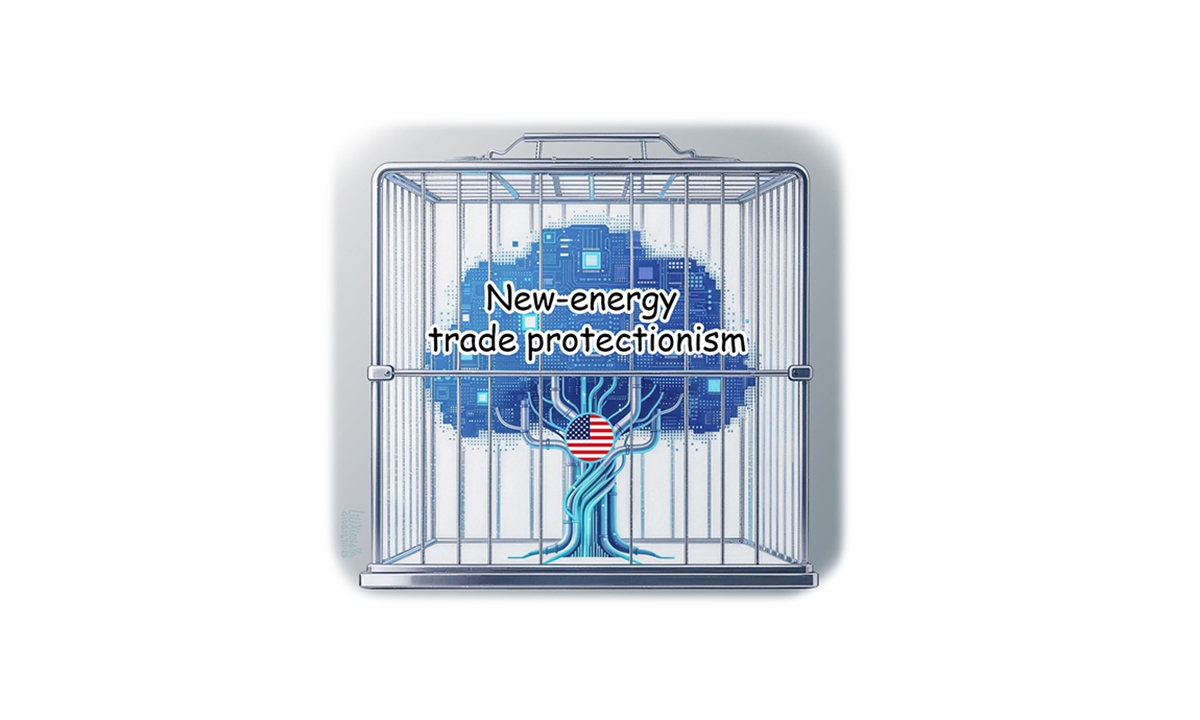
Recent media reports have questioned whether a natural gas plant built to power an Amazon data center project in Texas could become the largest climate polluter in the US. The controversy, whatever the eventual outcome, offers a reality check for America's artificial intelligence (AI) drive.
It exposes a growing contradiction: The US is racing to expand its AI capabilities, yet its protectionist trade policies are making it harder and more costly to access some of the clean-energy technologies needed to sustain that expansion. This raises a broader question: Can an energy-intensive AI race afford the costs of renewable energy protectionism?
The US is entering a new era of rising electricity demand. Data centers, the backbone of the AI economy, are emerging as one of the fastest-growing sources of power consumption. Much of that demand is still being met by fossil fuels: The International Energy Agency reports that natural gas supplies more than 40 percent of the electricity used by data centers in the US, making it their largest source of power.
So, it's not surprising that the expansion of data centers has raised concerns over their environmental impact and the pressure they could place on local power systems and electricity bills. A Gallup survey conducted in March found that seven in 10 Americans opposed the construction of AI data centers in their local area, including 48 percent who strongly opposed such projects.
The findings point to a broader challenge for the US: The race to develop AI is increasingly becoming a race to meet growing energy needs. Addressing this challenge will require more than advances in computing technology; it will also depend on an energy system capable of delivering large amounts of reliable, affordable and cleaner power. That, in turn, will require faster development and broader deployment of clean-energy technologies, from solar power to energy storage.
Yet in the clean-energy sector, the US has increasingly relied on protectionist trade measures that limit access to cost-competitive products from global markets. The country has placed greater emphasis on expanding domestic manufacturing capacity, but rebuilding entire clean-energy supply chains at home is a costly and time-consuming process. Even if expanded domestic production is achieved, it is likely to come at a higher cost, making the deployment of renewable technologies more expensive and potentially slower.
The solar industry offers a clear illustration of this policy direction. The US has continued to expand trade barriers in the sector. Reuters reported that the US government announced on Thursday a series of price floors and a 15 percent tariff on products made from polysilicon, a raw material used in solar panels.
The challenge lies in the limited scale of the US polysilicon industry. Reuters reported that the country has two polysilicon factories. Against this backdrop, relying on domestic polysilicon production while restricting access to imports runs counter to the goal of expanding solar power in the US. The country risks creating barriers that ultimately constrain its own access to the global supply chains needed for growth.
The pressing issue for the US is the speed at which new power demand is emerging. The expansion of data centers is creating electricity needs that cannot wait for domestic clean-energy capacity to develop gradually. Global supply chains can provide the scale and speed required in the near term. By narrowing access to these sources, the US risks turning clean-energy policy into a drag on the infrastructure needed for its AI race.
The US has placed AI high on its economic and technological agenda. The outcome of this race will matter greatly, as financial markets are also watching whether America can turn its AI efforts into commercial success.
This leaves the US with a difficult choice: Can it afford the cost of clean-energy protectionism while racing to build AI infrastructure? The answer may be no. Trade barriers that limit access to competitive renewable technologies could ultimately become a constraint on the AI expansion that Washington is seeking to accelerate.
The author is a reporter with the Global Times. [email protected]
。在挺进温网单打四强后,德约接下来的对手将是东道主选手诺里。意大利新锐辛纳,上一轮淘汰西班牙00后天才少年阿尔卡拉斯,职业生涯第一次进入温网8强,8强也是辛纳四大满贯最好的战绩。面对小德这样的顶级选手,辛纳只能以拼为主,减少失误,力争爆冷。首盘比赛辛纳就在德约4比1领先后,抓住对手松懈的机会,先是强势追回三局,又凭借强大的发球武器,以7比5拿下首盘。丢掉首盘的德约科维奇一度陷入自我怀疑的困境,在发球和网前小球都失去手感。辛纳乘胜追击,率先破发之下6比2再取一盘。但在前两盘的相持中,德约慢慢找回了状态和自信,转眼在第三盘用同样率先破发的方式打击了辛纳的信心。随着德约科维奇找回手感和信心,胜利的天平迅速向卫冕冠军一方倾斜。
。Recent media reports have questioned whether a natural gas plant built to power an Amazon data center project in Texas could become the largest climate polluter in the US. The controversy, whatever the eventual outcome, offers a reality check for America's artificial intelligence (AI) drive.
It exposes a growing contradiction: The US is racing to expand its AI capabilities, yet its protectionist trade policies are making it harder and more costly to access some of the clean-energy technologies needed to sustain that expansion. This raises a broader question: Can an energy-intensive AI race afford the costs of renewable energy protectionism?
The US is entering a new era of rising electricity demand. Data centers, the backbone of the AI economy, are emerging as one of the fastest-growing sources of power consumption. Much of that demand is still being met by fossil fuels: The International Energy Agency reports that natural gas supplies more than 40 percent of the electricity used by data centers in the US, making it their largest source of power.
So, it's not surprising that the expansion of data centers has raised concerns over their environmental impact and the pressure they could place on local power systems and electricity bills. A Gallup survey conducted in March found that seven in 10 Americans opposed the construction of AI data centers in their local area, including 48 percent who strongly opposed such projects.
The findings point to a broader challenge for the US: The race to develop AI is increasingly becoming a race to meet growing energy needs. Addressing this challenge will require more than advances in computing technology; it will also depend on an energy system capable of delivering large amounts of reliable, affordable and cleaner power. That, in turn, will require faster development and broader deployment of clean-energy technologies, from solar power to energy storage.
Yet in the clean-energy sector, the US has increasingly relied on protectionist trade measures that limit access to cost-competitive products from global markets. The country has placed greater emphasis on expanding domestic manufacturing capacity, but rebuilding entire clean-energy supply chains at home is a costly and time-consuming process. Even if expanded domestic production is achieved, it is likely to come at a higher cost, making the deployment of renewable technologies more expensive and potentially slower.
The solar industry offers a clear illustration of this policy direction. The US has continued to expand trade barriers in the sector. Reuters reported that the US government announced on Thursday a series of price floors and a 15 percent tariff on products made from polysilicon, a raw material used in solar panels.
The challenge lies in the limited scale of the US polysilicon industry. Reuters reported that the country has two polysilicon factories. Against this backdrop, relying on domestic polysilicon production while restricting access to imports runs counter to the goal of expanding solar power in the US. The country risks creating barriers that ultimately constrain its own access to the global supply chains needed for growth.
The pressing issue for the US is the speed at which new power demand is emerging. The expansion of data centers is creating electricity needs that cannot wait for domestic clean-energy capacity to develop gradually. Global supply chains can provide the scale and speed required in the near term. By narrowing access to these sources, the US risks turning clean-energy policy into a drag on the infrastructure needed for its AI race.
The US has placed AI high on its economic and technological agenda. The outcome of this race will matter greatly, as financial markets are also watching whether America can turn its AI efforts into commercial success.
This leaves the US with a difficult choice: Can it afford the cost of clean-energy protectionism while racing to build AI infrastructure? The answer may be no. Trade barriers that limit access to competitive renewable technologies could ultimately become a constraint on the AI expansion that Washington is seeking to accelerate.
The author is a reporter with the Global Times. [email protected]
。在挺进温网单打四强后,德约接下来的对手将是东道主选手诺里。意大利新锐辛纳,上一轮淘汰西班牙00后天才少年阿尔卡拉斯,职业生涯第一次进入温网8强,8强也是辛纳四大满贯最好的战绩。面对小德这样的顶级选手,辛纳只能以拼为主,减少失误,力争爆冷。首盘比赛辛纳就在德约4比1领先后,抓住对手松懈的机会,先是强势追回三局,又凭借强大的发球武器,以7比5拿下首盘。丢掉首盘的德约科维奇一度陷入自我怀疑的困境,在发球和网前小球都失去手感。辛纳乘胜追击,率先破发之下6比2再取一盘。但在前两盘的相持中,德约慢慢找回了状态和自信,转眼在第三盘用同样率先破发的方式打击了辛纳的信心。随着德约科维奇找回手感和信心,胜利的天平迅速向卫冕冠军一方倾斜。

B | 辛纳的主动失误也比前两盘多了起来。意大利新锐在后三盘没能给对手制造过多麻烦,最终在这场耗时3小时35分钟的五盘大战后,目送卫冕冠军晋级。至此,德约科维奇在温网最近7场先丢两盘的大战中全都笑到了最后。此外,随着英国选手诺里五盘艰难击败比利时老将戈芬,职业生涯首次挺进大满贯男单四强,他将在半决赛中面对卫冕冠军德约科维奇。女单方面,3号种子贾巴尔在先输一盘的情况下,最终苦战三盘淘汰捷克球员布兹科娃,携草地巡回赛10连胜职业生涯首次挺进大满贯女单四强。贾巴尔半决赛将面对34岁的德国妈妈级球员玛利亚。文/本报记者 褚鹏 供图/视觉中国

C |
Current article:http://v4u0mg.nenyaogecebenliexi.shop/news/20260826_279.html
Published on:16:15:10
 全网爆火的 “高钾晚餐”,既能助眠又能减脂?医生提醒:这类人群盲目补钾或致心脏骤停
 AMD 7NM新产品亮点:全面“是”将再等半年
 老人直播“卖苦”,一门算计好的生意
 媒体人:萧华重罚鲍尔默会尴尬 换成斯特恩更硬
 雷俊伟询问下一代红米新机的改进建议
 오세훈 "탄천물재생센터 구상 정식 제안…청년주택단지 가능"
我的网站最新内容
- ·Turkish mine explosion kills 28
- ·真能跑起来!AI自主设计CPU:成功运行《毁灭战士》
- ·中东动荡加剧,全球股市警报未解除
- ·Employer-sponsored health coverage costs jumped this year. More hikes may be coming
- ·大国外交最前线丨约旦国王九度访华 中约友谊如何续写新篇章?
- ·Chinese medical team provides free health services in Guyana
- ·苹果旗下天气应用Dark Sky将于2023年停止运营
- ·A股午评:超3500只个股飘红,三大指数集体收涨,A股午评:超3500只个股飘红,三大指数集体收涨
- ·每日限流3万人次 五一假期陕西黄河壶口瀑布实名预约购票
- ·“福彩杯” 县域公益篮球嘉年华激情开赛
- ·一大牌面!10年9次入选揭幕战!34场全美直播!41岁了还值4.3亿
- ·青春正当燃!2026年“福彩暖万家”困难大学生公益资助活动在温州举行
- ·华泰证券:继续关注摊余成本债基重启带来的结构机会
- ·色盲测试图难倒正常人、骗过AI 专家解读检测真相
- ·フェラーリ新型テスタロッサ、1036馬力の正体。SF90から何が変わり、何が変わらなかったのか
- ·US says Iranian drones breach sanctions
我的网站热点内容
- ·三大指数午后集体翻红
- ·谷歌云推出面向法律行业的Gemini企业级解决方案
- ·西甲第33轮裁判:奥尔蒂斯执法巴萨,何塞-桑切斯执法皇马
- ·克莱交易热度有限 多支球队兴趣未转实质谈判
- ·동년배 때려 숨지게 한 80대 1년 6개월 선고
- ·SpaceX今晚将在2019年发射第一颗卫星:10颗铱通信卫星
- ·事关燃气燃烧器具及相关产品 95张CCC认证证书被撤销
- ·新疆青年企业家商会成立,新疆青年企业家商会成立
- ·一名男子遭恶性袭击,被抛下码头并按在水下,警方急寻目击者
- ·Decomposed bodies found in Pakistan hospital
- ·截至2023年底我国连锁酒店超9万家
- ·Olympic champion Wu Dajing appointed China short track head coach
- ·合计年龄74岁!外媒关注马龙许昕首秀,两人回归将为国而战吗?
- ·辽宁593家企业参加第135届广交会
- ·南平市延平区“闲地焕新” 破题老城停车难
- ·空军运-20飞往西藏定日地震灾区