
私人订制
"물만 마셨다" 15일간 20㎏ 감량한 中 여성…'뇌 질환' 진단 충격_我的网站

A |
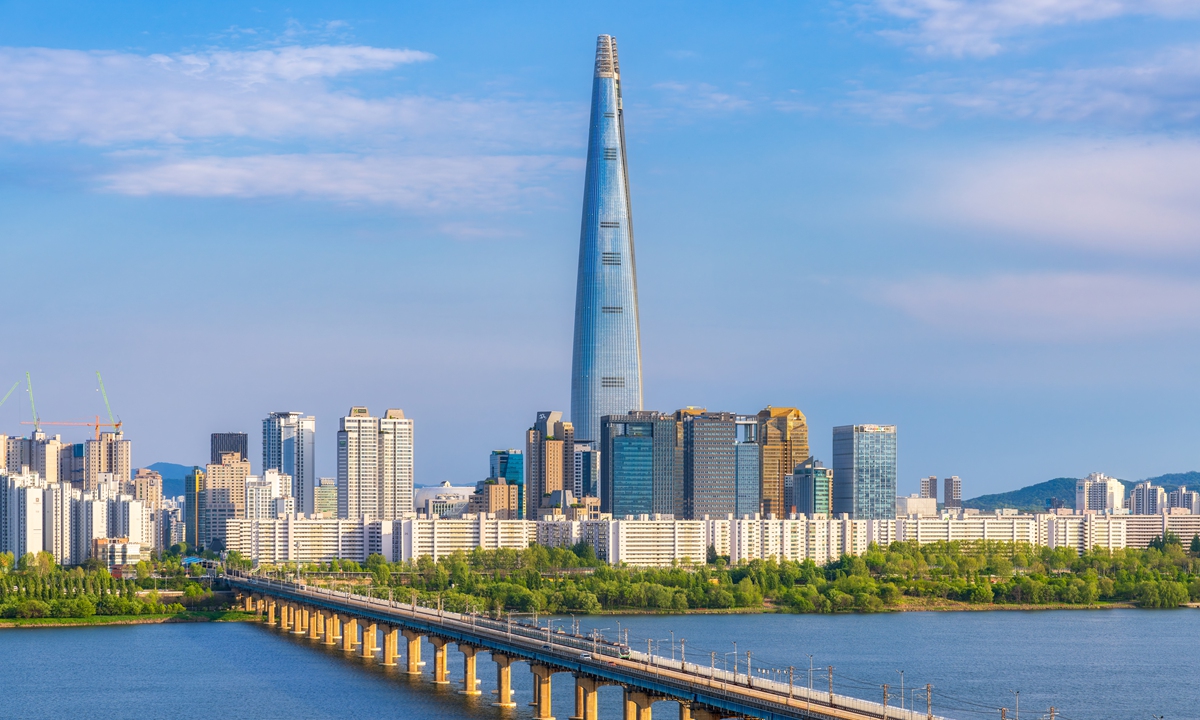
South Korea is grappling with scorching heat waves this summer, with temperatures soaring above 40 C in its capital city of Seoul for the first time since 2018. The extreme weather has dominated newspaper headlines lately, which has wreaked havoc on the people's health and agricultural production there.
For instance, with mass die-offs at the country's fish farms and catches declining, seafood prices are trending higher, according to South Korean media reports. Meanwhile, South Korean consumers' demand for cooling products is surging.
Against this backdrop, the unique strengths of China-South Korea economic and trade cooperation - characterized by flexible responses and regional short-chain supply arrangements - have been fully demonstrated.
Unlike countries in Europe and elsewhere in the West, or regions that rely on long-distance transportation, China and South Korea share geographical proximity and mature cross-border logistics system. Built through years of in-depth industrial collaboration, their circulation network drastically shortens supply chain routes and turnover cycles, delivering vital response in time of need.
Since the onset of the summer heat waves, a diverse array of Chinese-made goods - frozen beverages, portable handheld fans, pet cooling accessories and others - has flowed to the South Korean market. The rapid replenishment has provided relief to South Koreans grappling with soaring temperatures.
The "cool" trade that has blossomed between the two countries is fundamentally a story of mutual benefit and complementary strengths. While Chinese cooling supplies enter the South Korean market, Chinese consumers' demand for South Korean summer cosmetics and personal care products is heating up too. These two seemingly separate trade flows essentially reflect the deep-seated trade complementarity between the two neighbors.
Since the beginning of summer, "cool-feeling" cosmetics have become a shopping hit among Chinese consumers. Many South Korean products, featuring lightweight textures, durability and sweat-proof performance, have won growing market popularity.
The two-way trade flow is rooted in the alignment of the two countries' industrial structures and consumer needs, allowing both consumers to access what they require in the trade of "cool products" and achieve mutually beneficial outcomes.
The structural underpinnings of this synergy run deep. China's strength in agricultural production, cold‑chain infrastructure, and large‑scale manufacturing complements South Korea's prowess in beauty product research and development, good quality control and sophisticated brand operation. Most importantly, their geographical proximity allows such industrial complementarity to flourish.
From a broader perspective, global climate change seems to continue interfering with economic life in increasingly unpredictable ways. Caught in this dual pressure of escalating climate shock and global industrial restructuring, the significance of regional economic cooperation is being redefined. It is no longer limited to expanding market access and cutting operational costs; instead, it is deeply tied to safeguarding people's basic livelihoods in time of sudden unexpected disruptions.
The shortened transportation window brought by geographical proximity boosts the supply chain's response speed, enabling it to swiftly counter market volatility triggered by sudden emergencies.
The deep industrial integration that China and South Korea have nurtured over the past decades across sectors including electronics, beauty, agricultural products and cold-chain logistics has laid an exceptionally solid foundation for bilateral cooperation.
Currently, global supply chains are facing shocks from geopolitical conflicts, rising trade barriers as well as surging extreme weather patterns, leaving many long-distance global supply chains increasingly fragile and prone to sudden breakdowns.
The short-chain cooperation between China and South Korea has demonstrated that, in the era of growing uncertainties in the world, tapping deeper into regional industrial complementary advantages and building more stable and flexible cross-border industrial and supply chains is both an efficient choice to reduce circulation costs and a practical path to fend off risks to ensure industrial stability and protect people's livelihood.
。

B | /사진=게티이미지뱅크중국에서 15일 동안 물만 마시는 극단적인 다이어트를 시도한 30대 여성이 심각한 뇌 질환을 앓게 됐다는 소식이 전해졌다.25일 홍콩 사우스차이나모닝포스트(SCMP)에 따르면 중국 허난성에 거주하는 31세 여성 A씨는 최근 극단적인 단식 이후 건강에 이상이 생겨 병원을 찾았다.키 160㎝에 약 70㎏이었던 A씨는 15일 동안 음식물을 전혀 먹지 않고 물만 마시는 방법으로 약 20㎏을 감량했다. 극단적인 다이어트 방법으로 체중은 20㎏이나 줄었지만, 이후 보행 장애와 기억력 저하가 나타난 것.A씨를 진료한 정저우대 제1부속병원 신경과 쑨구이팡 교수는 A씨에게 베르니케 뇌병증이 발생했다고 진단했다.베르니케 뇌병증은 영양 결핍, 특히 비타민 B1 등의 결핍과 관련해 발생하는 심각한 뇌 질환으로, 혼란과 보행 및 균형 장애, 안구 운동 이상, 기억력 저하 등의 증상이 나타날 수 있다.의료진에 따르면 A씨는 걷는 모습에도 이상이 나타났다. 쑨 교수는 그의 걸음걸이가 "펭귄과 비슷했다"면서 이 증상이 완전히 회복되지 않을 가능성도 있다고 말했다.A씨가 이 같은 극단적인 단식을 시작한 이유는 중국 전통 도교의 수행법 가운데 하나로 알려진 '벽곡(辟穀·bigu)'을 실천하기 위해서였다.벽곡은 말 그대로 '곡식을 피한다'는 의미로 음식 대신 우주를 순환하는 생명 에너지인 '기(氣)'를 섭취하면 초월적인 경지에 이를 수 있다는 믿음과 관련이 있다.최근에는 전통 수행법이라는 의미를 넘어 체중 감량이나 해독을 위한 방법으로 이를 따라 하는 사람들이 생겨났다.앞서 2020년 중국 헤이룽장성에서는 26세 남성이 52일 동안 물만 마신 뒤 사망했고, 사망 이틀 전에는 치매와 유사한 증상까지 나타난 것으로 알려졌다.또 지난해 저장성의 한 여성은 일주일 동안 물과 이른바 '에너지 알약'만 섭취해 약 5㎏을 감량했지만, 이후 장 점막이 심각하게 손상됐고 혈액에 세균이 침투하는 감염으로 이어졌다.이 같은 사례가 이어지면서 온라인에서 벽곡 관련 콘텐츠를 제한하거나 금지해야 한다는 목소리도 나오고 있다고 SCMP는 전했다.이보배 한경닷컴 객원기자 [email protected]。
Current article:http://v4u0mg.nenyaogecebenliexi.shop/58qs920/20260826/9034.html
Published on:12:49:40
栏目相关
- Brand Day reveals a different side of REPT BATTERO
- 中韩建交34周年 中方:愿推动中韩战略合作伙伴关系不断迈上新台阶
- 孙颖莎专属定制歌曲《莎啦啦》上线,登音乐平台巅峰潮流榜TOP1;超5万人支持,1万人在线收听
- 会整活!本·西蒙斯社媒发布个人肥胖P图训练照:让我们燥起来
- 开户不踩坑—股票开户,这几点比佣金更重要!
- 相隔6年 与妻合体演戏 洪俊扬自嘲是负担
- 扶老人被索赔不能成为第二个彭宇案
- 国庆期间辽宁省社会大局稳定治安秩序良好
- 中国开源AI正在改写全球算力逻辑
- 湖媒曝库明加交易进展:非常有信心下周前完成
- 奉献之城,今晚见!
- 3 dead after partial residential building collapse in north China’s Shijiazhuang
热门排行
- 选举人团变天!利于特朗普重返白宫,拜登地位岌岌可危
- 建德“轻极限运动月”周末开启 水陆空全域联动十项赛事等你来
- 琥珀雕刻:“凝固时空”里的精雕细琢
- 诚毅幼儿园2025年寒假致家长一封信
- 现代全新旗舰轿车雅尊发布 已收6万意向单
- क्या मानव स्वास्थ्य पर पड़ता है कबूतरों के प्रभाव? महाराष्ट्र में अध्ययन के लिए समिति गठित का गठन
- 市委举行学习贯彻习近平新时代中国特色社会主义思想读书班暨市委理论学习中心组学习会议
- 全球首例猪肾移植患者去世!异种移植活不过2个月?专家发声
- 威少宣布退役 马刺官推送上人生新阶段祝福
- 机场接客时掐同行脖子 电召车司机监两周
- 小米京东新年升级:小米Mix2手机2399元/秒杀价新低
- 2024年度抚顺市“新时代好少年”先进事迹发布仪式举行